Emergency management
is everyone’s responsibility.
About Us
Preparing youth to build safer, stronger, more resilient communities.
At Seven Generations Education Institute (SGEI), we believe education is about more than what students learn today, it’s about creating opportunities for future generations.
As an Indigenous-owned and operated education institute, our team of Indigenous and non-Indigenous educators is committed to creating meaningful, culturally grounded learning experiences that empower youth and strengthen communities.
In partnership with Indigenous Services Canada (ISC), First Nations communities, Emergency Management Coordinators, educators, and community experts, we have developed an Indigenous-led, First Nation-focused emergency management curriculum for Grade 11 and 12 students across Ontario. By bringing together Indigenous teachings, community experience, and scientific knowledge, the curriculum gives students practical skills to understand risks, prepare for emergencies, respond to challenges, and support recovery.
Together, we’re investing in the next generation of leaders, problem-solvers, and community change makers.
Stronger Together:
Built Through Partnership
Developing an Emergency Management Curriculum
Course Overview & Details
Preparing the Next Seven Generations
Indigenous-Led. Community-Informed. Future-Focused.
The curriculum brings together:

Indigenous knowledge, teachings, and perspectives
Career, education, and training pathways
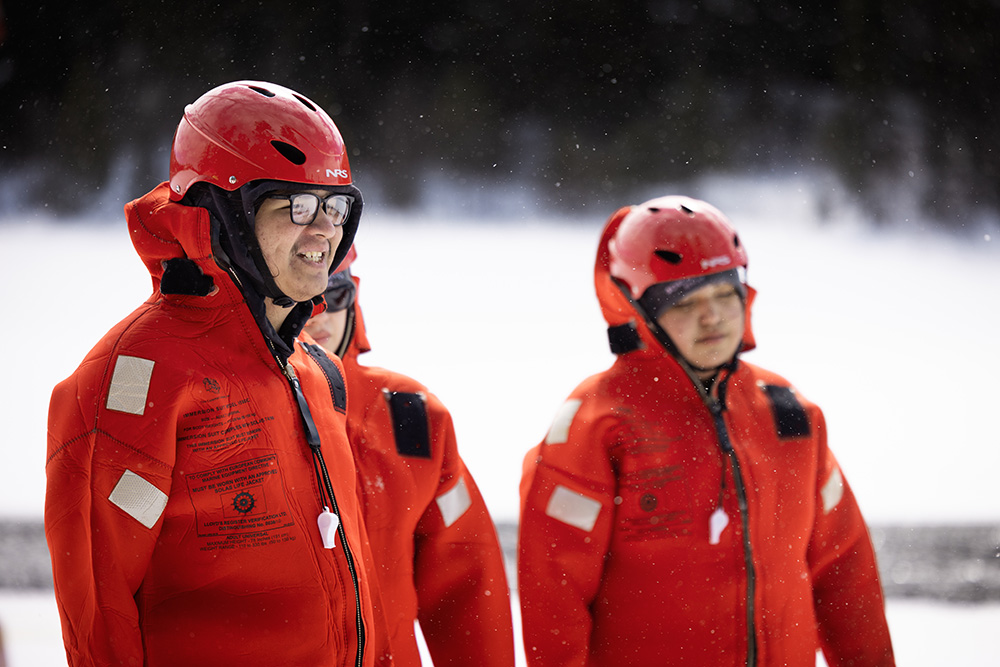
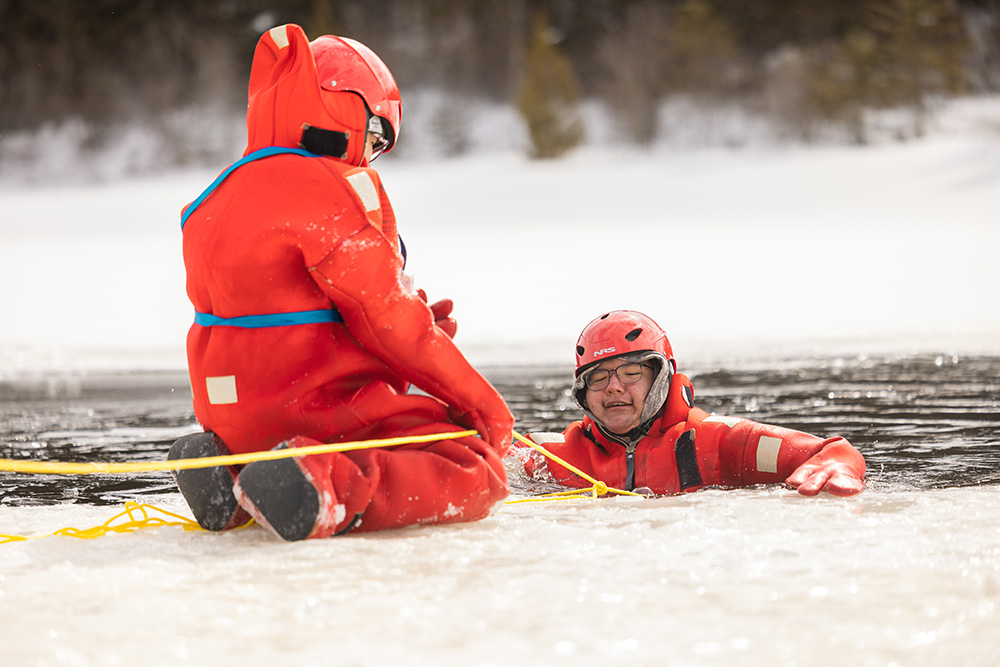
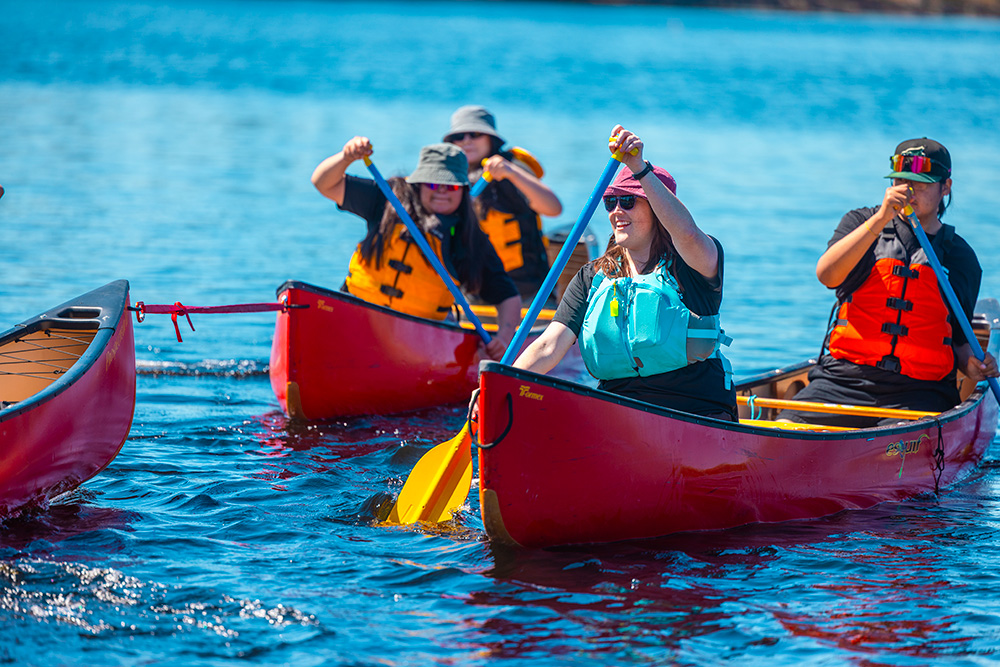
Land-based and experiential learning
Scientific and technical knowledge
Practical emergency management skills
Local and community-based knowledge
The goal is not simply to teach students what to do during an emergency.
It is to help young people understand their role in building resilient communities and preparing for the future.
Build Skills. Explore Careers. Make a Difference.
Ever wondered what it takes to handle an emergency, solve real-world challenges, or help keep your community safe?
This course is your chance to learn new skills, try new things, and discover where emergency management could take you.

Find Your Future Career
Thinking about college, university, or future training? Explore programs and opportunities you might not have considered before.
Level Up Your Skills
Get hands-on experience, build practical skills, and explore opportunities to earn
industry-recognized certifications for your resume!
Discover Your Next Step
From emergency response and public safety to planning and community services, discover careers where you can make a real impact.
Be a Leader in Your Community
You don’t have to wait until you’re older to make a difference. Build confidence, share
ideas, and learn how you can help your community prepare for whatever comes next.
Real skills. Real opportunities. Your future starts here. Learn by Doing
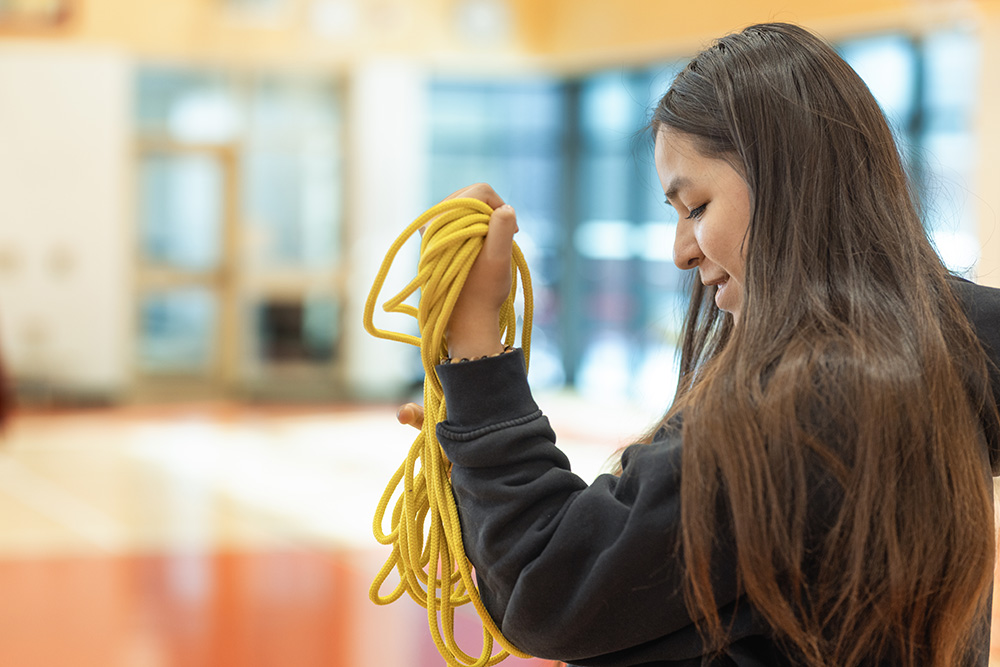
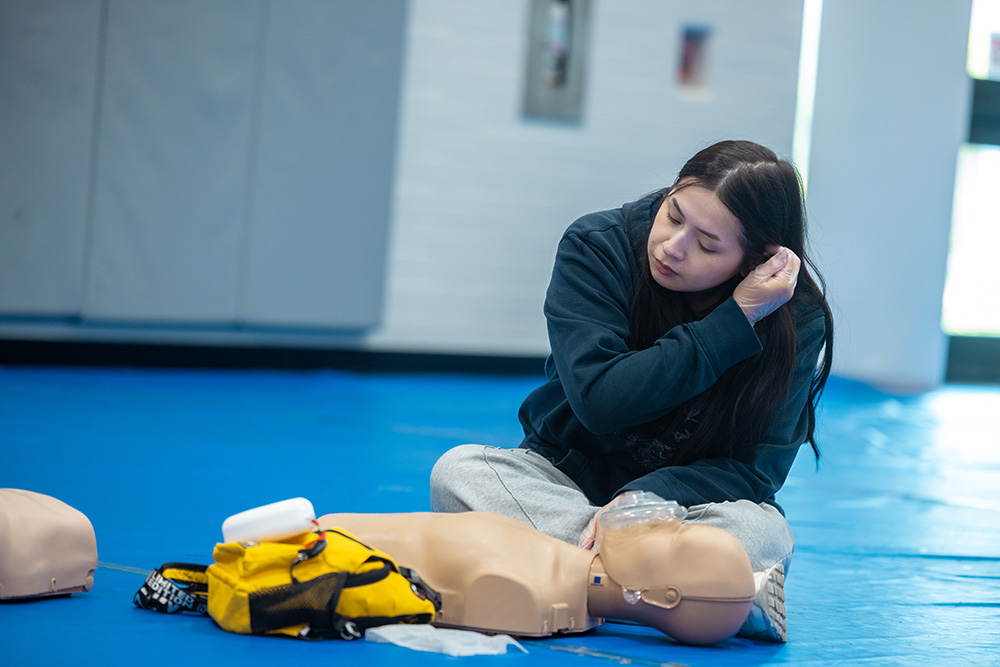
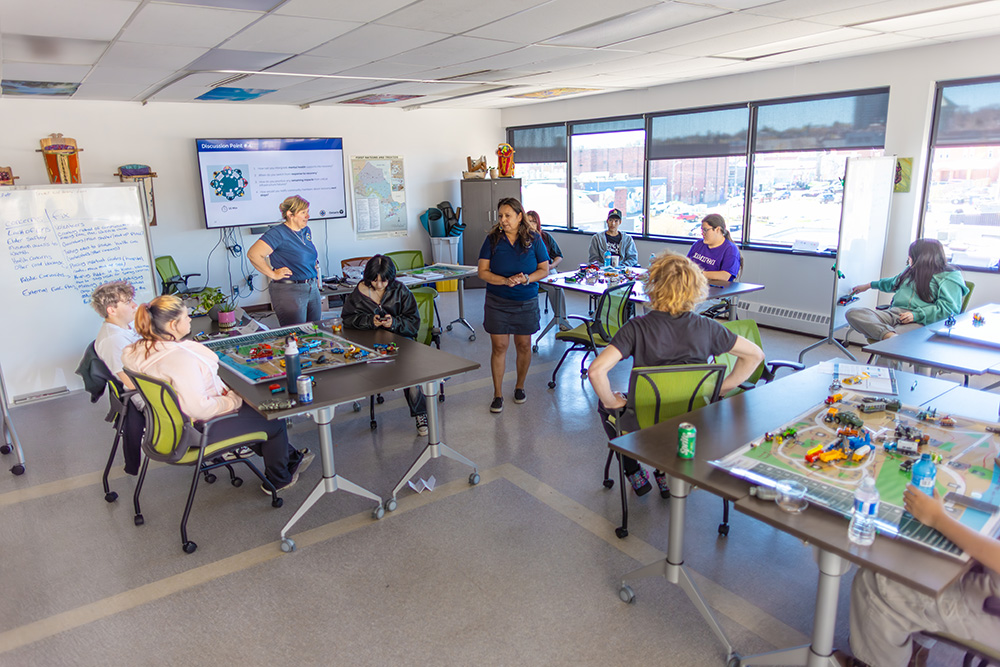
Emergency management is more than a classroom subject. The curriculum emphasizes practical, interactive learning that connects students with real-world situations and community experience. Students may engage in:

Students may engage in:
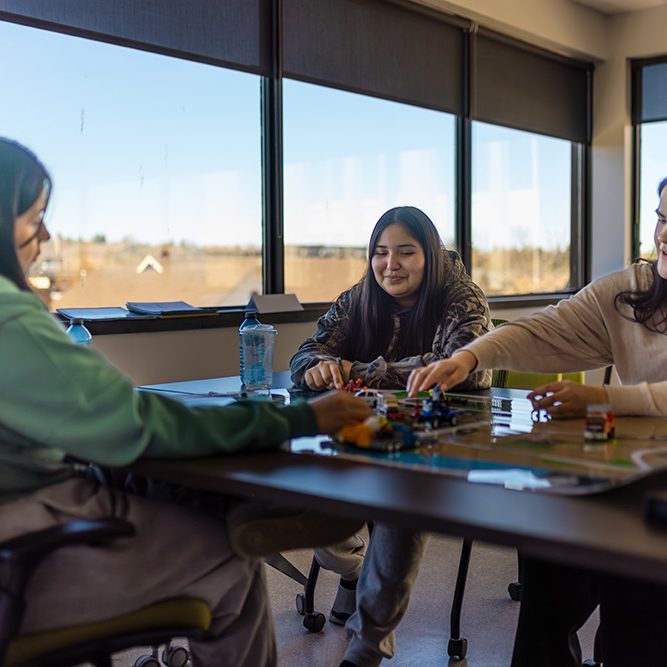
- Scenario-based and tabletop exercises
- Hands-on activities
- Community preparedness activities
- Emergency management equipment and skills
- Learning with Elders and community members
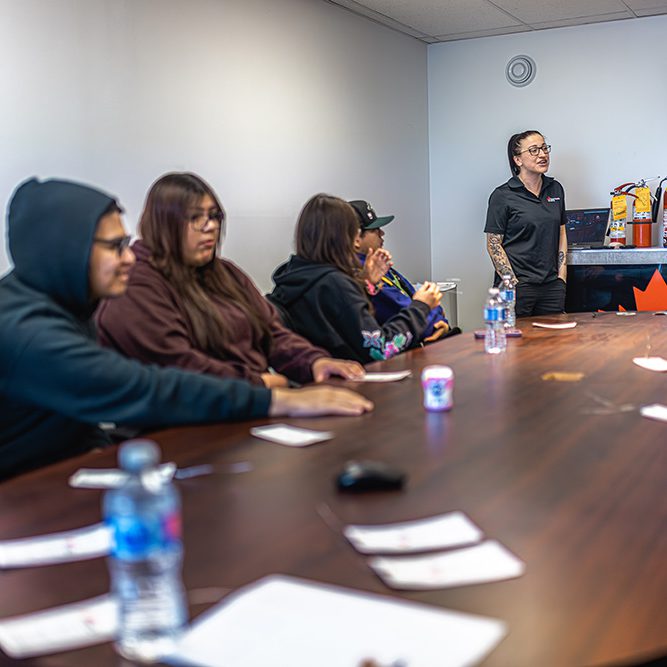
- Mentorship from emergency management professionals
- Career exploration and transition activities
Learning is designed to help students connect classroom knowledge to the realities of emergency management in their own communities.
Bring Emergency Management
Into Your Classroom
Real-world skills. Indigenous knowledge.
Learning that makes a difference.
Learning that makes a difference.
Give your Grade 11 and 12 students the opportunity to explore emergency management
through hands-on experiences, Indigenous perspectives, and community-based
learning.
Developed by Seven Generations Education Institute (SGEI), Emergency Management
and First Nations Perspectives connects practical skills with meaningful opportunities for
students across Ontario.
What Will Students Learn?
Students explore the four pillars of emergency management:
Prevention & Mitigation
Understanding hazards and reducing risks.
Preparedness
Planning and preparing for emergencies.
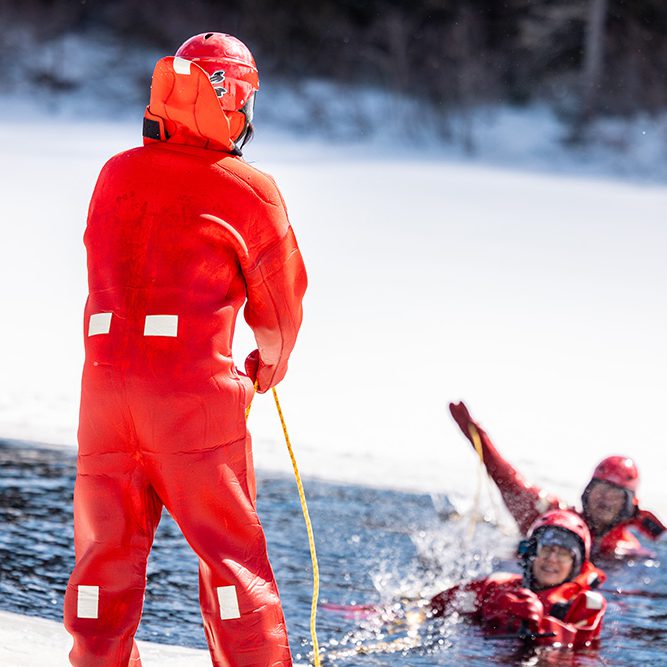
Response
Taking action and working together.
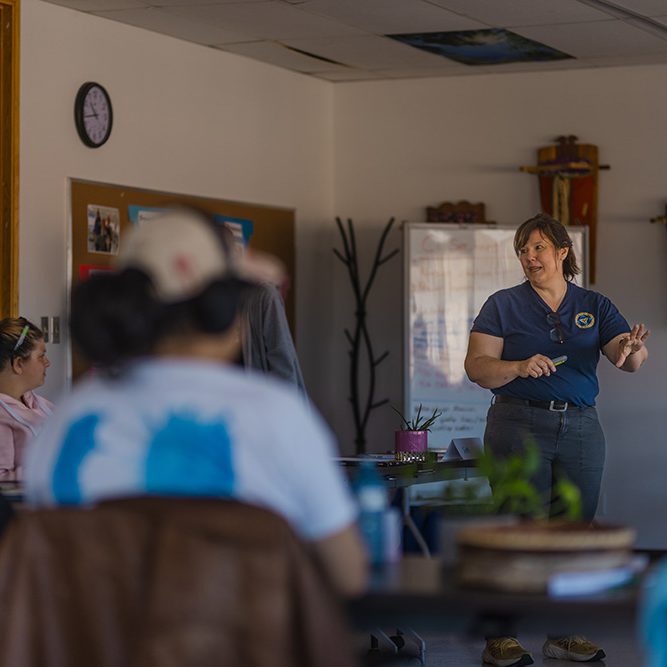
Recovery
Helping communities rebuild and move forward.
Learning Beyond the Classroom
This isn’t just textbooks and lectures! Students get
opportunities to learn through:
– Hands-on scenarios and tabletop exercises
– Land-based learning and site visits
– Indigenous teachings and community knowledge
– Training and certification opportunities
– Career exploration and connections with experts
SGEI supports educators with:
- Teacher Training: Curriculum orientation, lessons, resources, and ongoing guidance.
- Financial Supports: First-year implementation assistance for eligible training, certifications, and Knowledge Holder honorariums.
- Expert Connections: Opportunities to learn alongside community members,
Knowledge Holders, and emergency management professionals.
More Than a Course.
A Pathway Forward.
Help students build confidence, discover their strengths, and explore future
opportunities in education, training, employment, and community leadership.
Bring This Course to Your School!
Interested in offering Emergency Management and First Nations Perspectives?
Call Us
(807) 622-1711
Location
28 Cumberland St N Thunder Bay ontario